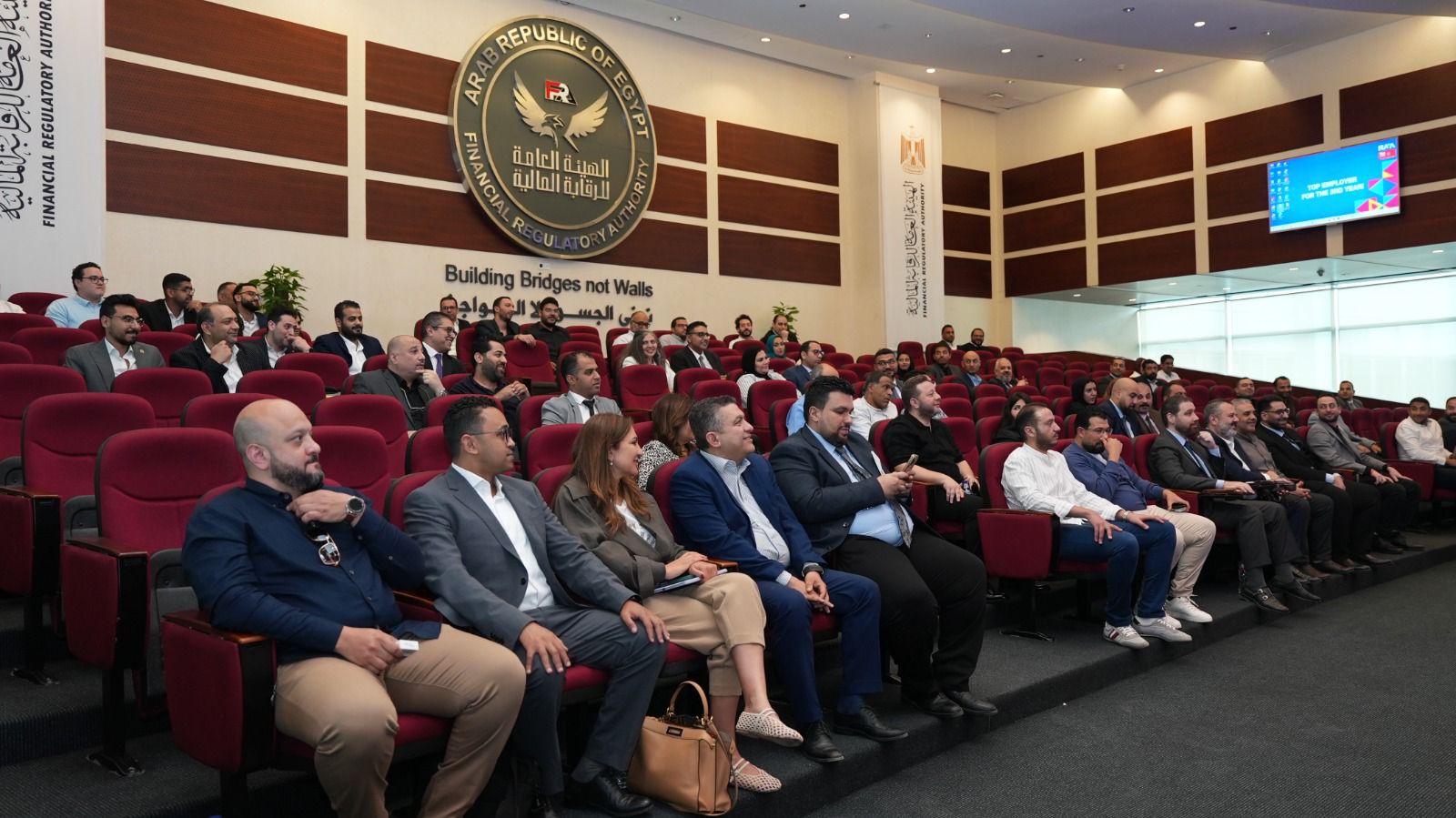
Egypt’s Financial Regulatory Authority (FRA) and representatives from 48 consumer finance companies have expanded a unified central database to combat widespread fraud and cash monetisation, aiming to proactively detect threats, reduce financial losses, and protect the interests of beneficiaries.
Enhancing trust in the consumer finance sector requires building a solid, participatory database and raising awareness of potential crimes, Islam Azzam, head of the authority, said. The initiative is part of the FRA’s approach to continuous consultation with market participants, relying on integrated efforts and shared expertise to ensure sector stability, preserve dealer rights, and facilitate growth.
Azzam noted that the FRA continuously works to develop the regulatory environment by updating legislative frameworks and overcoming market challenges, seeking to balance investment stimulation with consumer rights. He added that the authority is developing supervisory tools, intensifying awareness campaigns, and supporting companies in adhering to best professional practices.
In collaboration with the Consumer Finance Federation’s anti-fraud committee, officials reviewed updates from the central database, which tracks entities and individuals—including employees, merchants, and brokers—proven to be involved in fraud. The parties discussed specific patterns of illicit activity, including identity theft, document forgery, cash monetisation operations, and associated behavioural practices.
Walid Anwar, FRA Assistant Chairman for the Non-Banking Finance Sector, stated that developing the sector goes beyond expanding business volume; it requires building an integrated risk management system through close cooperation with companies and federations. Upgrading the database’s technological infrastructure and usage mechanisms enables companies to make more accurate credit decisions and limits losses from fraudulent practices, he said.
Anti-fraud systems must also integrate with efforts to combat money laundering and terrorist financing, according to Hamdy Badawi, FRA Assistant Chairman for Anti-Money Laundering and Terrorist Financing. He emphasised that real-time information sharing, pattern analysis, and shared databases are decisive elements for monitoring and handling suspicious operations efficiently.
Raising awareness among clients and employees serves as the first line of defence against fraud, Badawi said. He noted that prior knowledge of fraud methods significantly reduces their occurrence, which positively reflects on client trust and safety, thereby increasing demand for services and supporting state financial inclusion efforts.
To expand protection across non-banking financial activities, the FRA coordinated with the microfinance federation to join the Consumer Finance Federation’s anti-fraud system, a move intended to pave the way for other federations to follow sequentially.
The Consumer Finance Federation’s anti-fraud committee recommended that companies adopt clear, updated policies that include precise risk definitions and handling mechanisms. The committee also called for continuous employee training to efficiently recognise fraud patterns, alongside the preparation of periodic reports featuring digital analyses of fraud trends to support proactive decision-making and protect institutional reputations.
The post Egypt’s FRA, consumer finance firms expand unified database to combat cash monetisation first appeared on Dailynewsegypt.