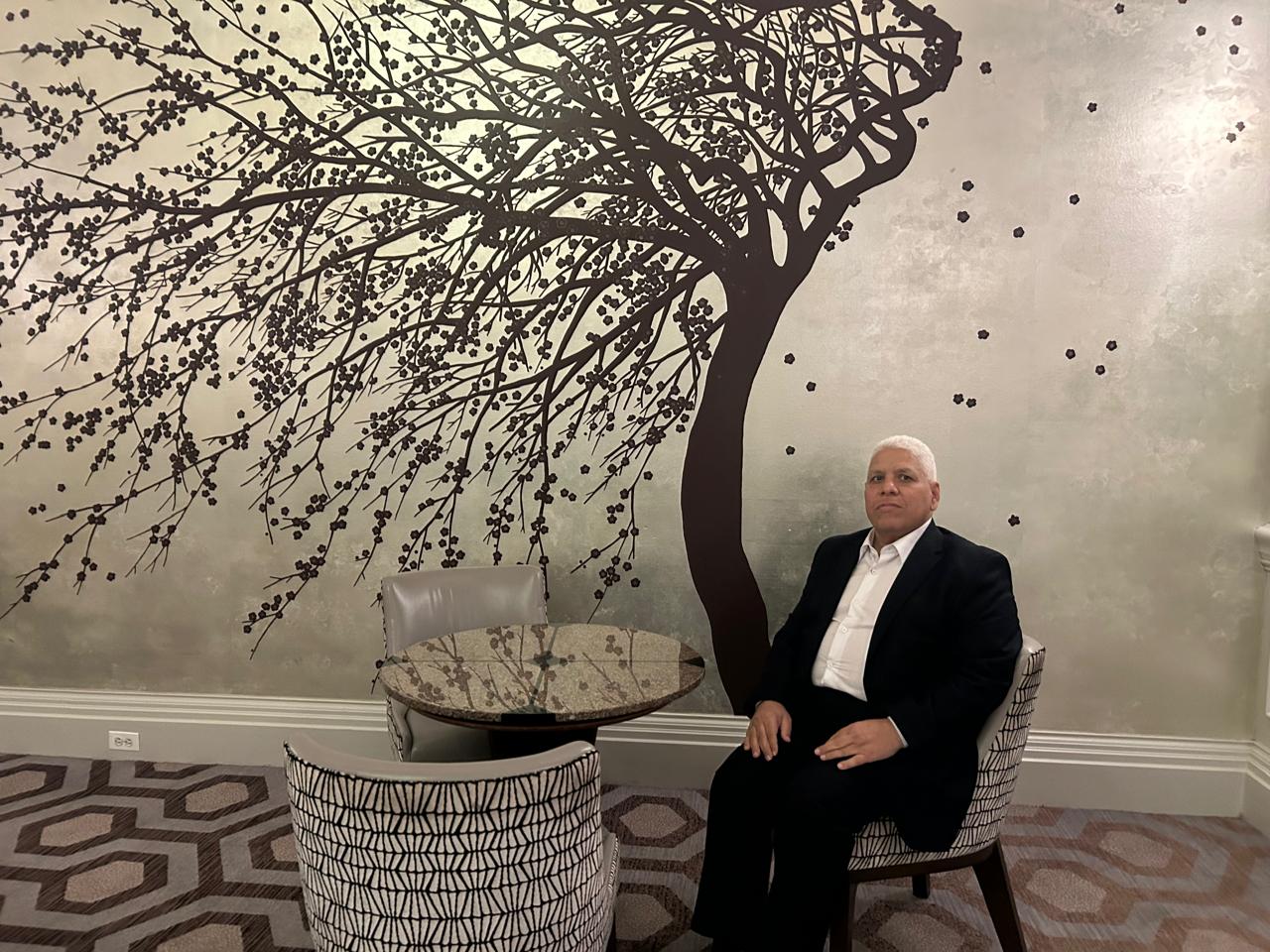
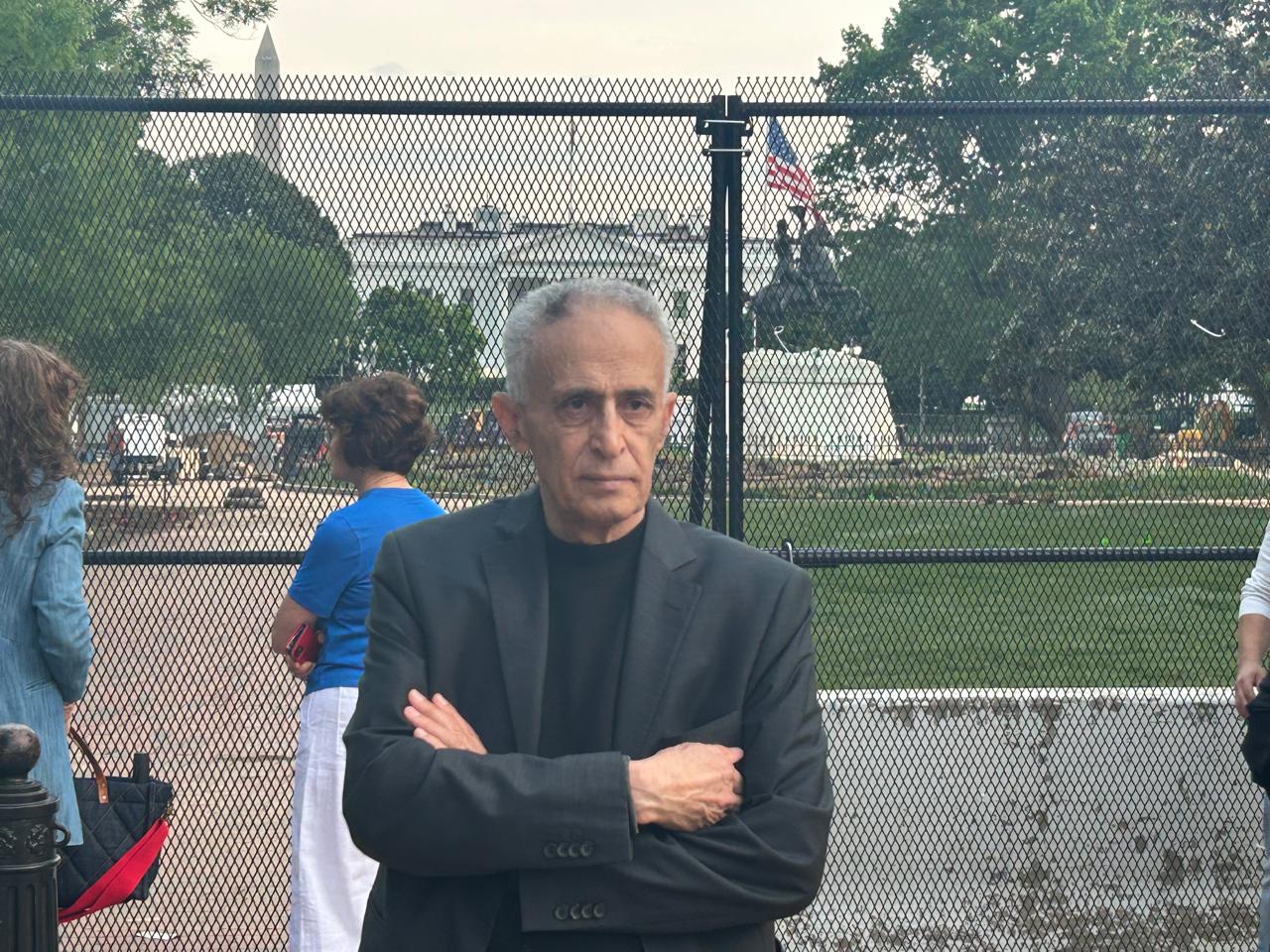
The American Chamber of Commerce (AmCham) in Egypt has wrapped up its 43rd “Doorknock Mission” to Washington, concluding a week of high-level meetings that delivered both economic and political signals at a time of regional upheaval.
Over the course of the mission, the delegation held 43 meetings: six with US Government officials, six with leading think tanks, 20 with Members of Congress and Congressional offices, two with international institutions, and nine miscellaneous engagements, including breakfast briefings, receptions, and dinners.
This breadth of outreach underscored Egypt’s determination to strengthen ties across the US policy, business, and intellectual landscape.
Opportunity in the Midst of Crisis
Delegation head Omar Mehanna stressed that “crisis creates opportunity,” pointing to the ongoing regional war as a catalyst for shifting investment flows. With Gulf markets under pressure, Egypt has a chance to position itself as an alternative destination—provided it accelerates reforms and removes barriers to investment.
Positive Signals from Washington and Access to Finance
Meetings at the US Department of the Treasury produced encouraging outcomes, including a direction toward fast, low-cost financing. Mehanna noted that Egypt’s progress with its IMF-backed reform program has strengthened confidence among US institutions and the American business community. Treasury officials expressed relative reassurance about Egypt’s financial outlook despite regional spillovers, underscoring the impact of recent fiscal and monetary measures.
Political Files on the Table
The delegation also addressed sensitive political issues, including the Grand Ethiopian Renaissance Dam. Mehanna confirmed that US officials recognize the dam’s strategic importance for Egypt and remain attentive to ongoing efforts toward resolution.
Strong Support for the Private Sector
The US International Development Finance Corporation (DFC) signalled readiness to extend competitive financing to Egypt’s private sector. Opportunities extend beyond traditional industries into technology, data centres, and high-skill investments. Mehanna emphasized that realizing this potential requires deeper reforms and tackling structural imbalances that constrain private sector growth.
International Recognition of Economic Reforms
Meetings with the IMF and World Bank highlighted Egypt’s fiscal progress, including a projected primary surplus of around 5%—driven by subsidy reform, improved tax policies, and exchange rate flexibility. At the same time, both institutions urged Egypt to accelerate privatization and sustain reform momentum to ensure long-term fiscal sustainability.
Engaging the Next Generation
The Chamber launched a youth program in Washington, led by an Egyptian student, to connect Egyptian students in the US with opportunities back home. Tarek Tawfik, President of AmCham in Egypt, emphasized that Egypt’s 45,000 students abroad represent a vital network for strengthening bilateral ties. Such initiatives, he argued, can foster impactful connections that benefit both countries. He also highlighted the need for faster steps to empower the private sector, noting that financing from institutions like the DFC—ranging from $20m to $5bn—can improve Egypt’s credit perception and reduce borrowing costs.
Regional and Political Context
Mehanna acknowledged that discussions were framed by the regional war’s impact on Gulf economies, Egypt, and even US domestic politics. Washington officials expressed appreciation for Egypt’s economic team during the IMF and World Bank Spring Meetings, as well as for the Central Bank’s effective monetary management under pressure. On the political front, Egypt’s role in Gaza negotiations was widely recognized, with US counterparts acknowledging Cairo’s efforts to prevent escalation and push toward a political resolution in coordination with Gulf partners.
The post Egypt’s Doorknock Mission in Washington: Investment prospects amid regional turmoil first appeared on Dailynewsegypt.